
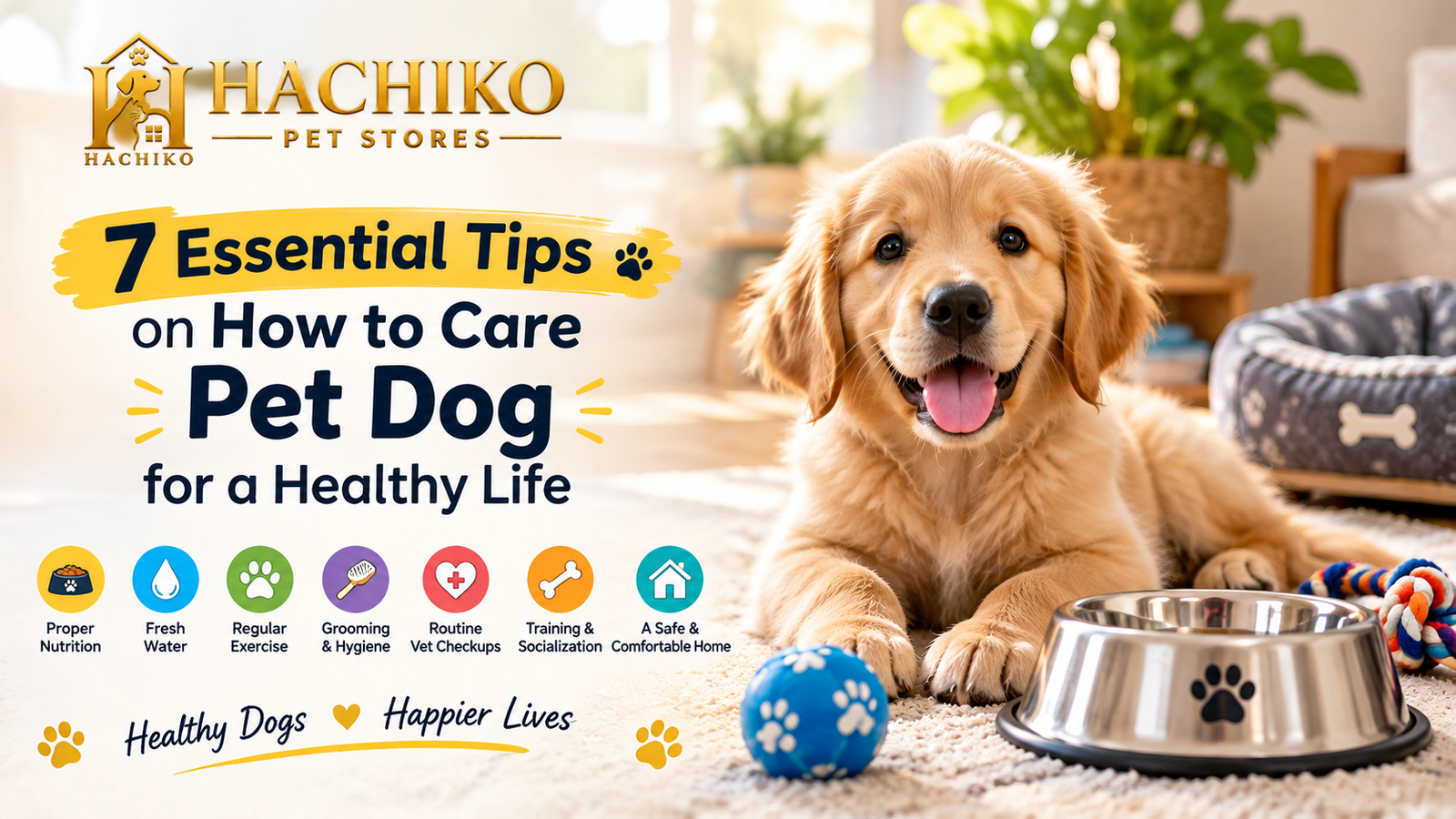
Learning how to care pet dog properly is essential for keeping your furry companion healthy, active, comfortable, and happy. Taking care of a dog involves much more than simply providing food and water. Responsible dog care includes proper nutrition, regular exercise, grooming, hygiene, training, mental stimulation, social interaction, and preventive veterinary care. When these areas are managed consistently, your dog can enjoy a healthier and more comfortable everyday life.
Understanding how to care pet dog also means recognizing that every dog is different. Learning how to care pet dog properly starts with understanding its age, breed, size, and individual needs. A puppy has different nutritional and exercise requirements than an adult or senior dog. Therefore, knowing how to care pet dog at each life stage is important.
Similarly, small breeds, large breeds, highly active dogs, and less active dogs may require different routines. When learning how to care pet dog, consider your dog’s breed, age, size, activity level, personality, and overall health. These factors can influence the care your dog needs and help you understand how to care pet dog in a safe, healthy, and comfortable way.
One of the most important parts of learning how to care pet dog is providing balanced and appropriate nutrition. Dogs need food that meets their nutritional requirements and provides essential nutrients for energy, growth, and overall wellbeing. Fresh, clean water should also be available throughout the day. Treats can be included in moderation, but they should not replace a balanced diet.
Regular physical activity is another important part of dog care. Daily walks, play sessions, and age-appropriate activities can help your dog stay active and maintain a healthy weight. Exercise can also provide an opportunity for your dog to explore its surroundings and spend quality time with you. The amount and intensity of exercise should be adjusted according to your dog’s age, breed, fitness level, and individual needs.
Grooming and hygiene should also be included in your dog’s regular routine. Brushing can help keep the coat clean and reduce loose hair, while regular bathing may be necessary depending on your dog’s coat and lifestyle. Dental hygiene, nail trimming, ear cleaning, and checking the skin and coat can also contribute to overall cleanliness and comfort.
Another important aspect of how to care pet dog is mental stimulation. Dogs need activities that keep their minds engaged, not just physical exercise. Interactive toys, basic training, puzzle games, playtime, and new experiences can provide useful mental stimulation. Positive training can also help develop good behavior and strengthen the relationship between you and your pet.
A consistent daily routine can make dog care easier for both pets and owners. Feeding, walking, grooming, playtime, and rest at relatively consistent times can help your dog understand what to expect throughout the day. At the same time, pet parents should regularly observe their dog’s behavior, appetite, energy levels, and physical condition.
Finally, preventive veterinary care is an important part of responsible dog ownership. Regular checkups, vaccinations, parasite prevention, dental care, and professional advice can help support your dog’s long-term health. If you notice unusual behavior, changes in appetite, persistent discomfort, or other concerning symptoms, consulting a veterinarian is important.
By understanding how to care pet dog and following a consistent, loving routine, pet parents can provide the nutrition, activity, attention, hygiene, and healthcare their dogs need.
Good dog care is an ongoing responsibility. It also creates opportunities to build a stronger bond and give your companion a happy, healthy, and fulfilling life.
Table of Contents
1. Provide a Balanced and Nutritious Diet
One of the most important parts of how to care pet dog is providing proper nutrition. Dogs need a balanced diet that provides essential nutrients for growth, energy, strong muscles, healthy bones, and overall wellbeing. Choose food according to your dog’s age, size, breed, activity level, and specific dietary needs. Puppies may require food formulated for growth, while adult and senior dogs may have different nutritional requirements. Always provide fresh, clean drinking water throughout the day. Treats can be given occasionally but should be offered in moderation. If your dog has allergies, sensitivities, or specific health concerns, consult a veterinarian before making major dietary changes.
Choose the Right Dog Food
Select food according to your dog’s age, size, activity level, and individual nutritional needs. Puppies, adult dogs, and senior dogs may require different diets.
Avoid giving excessive treats or table scraps because unnecessary calories can contribute to unhealthy weight gain. Fresh, clean drinking water should always be available.
For specific dietary requirements, allergies, or health concerns, consult your veterinarian.
2. Give Your Dog Regular Exercise
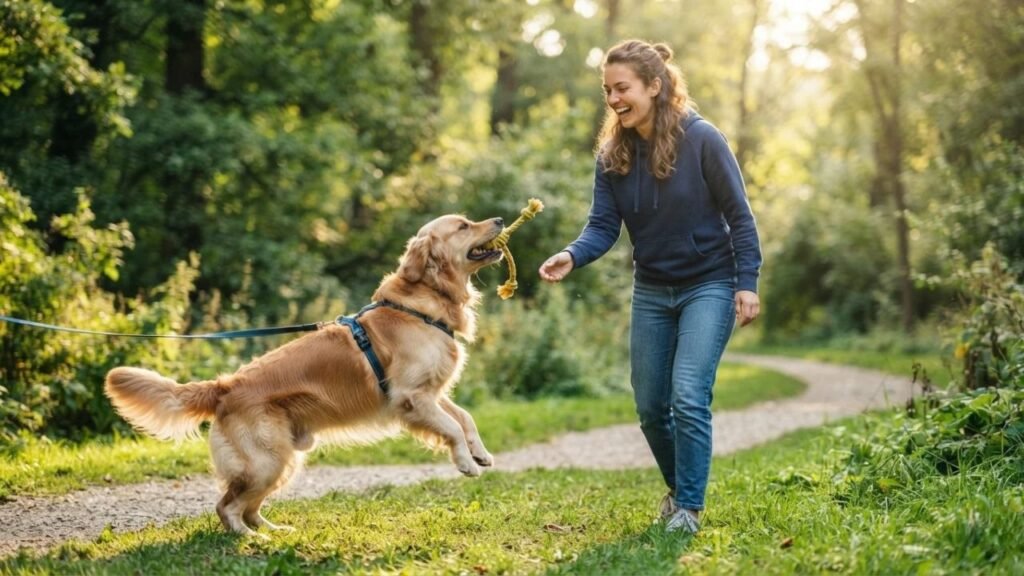
Exercise is an essential part of responsible dog care and plays an important role in keeping your pet healthy and active. Regular physical activity can support healthy weight, muscle strength, mobility, and overall fitness while also providing valuable mental stimulation. Daily walks, playtime, training activities, and interactive games can help prevent boredom and encourage positive behavior. However, exercise requirements vary according to a dog’s age, breed, size, health, energy level, and physical condition. Puppies, senior dogs, and dogs with health concerns may need gentler activities. Always provide suitable exercise and allow your dog enough time to rest and recover.
Create a Daily Exercise Routine
Depending on your dog’s needs, activities can include:
- Daily walks
- Playing fetch
- Indoor games
- Training activities
- Safe outdoor play
- Interactive toys
- Short walks and enrichment activities
Start gradually if your dog is not accustomed to exercise. Puppies and dogs with health concerns may need a specially adjusted routine recommended by a veterinarian.
3. Maintain Regular Grooming and Hygiene
Grooming is another important part of how to care pet dog. Regular grooming helps keep your dog clean, comfortable, and healthy while also strengthening the bond between you and your pet. Brushing the coat can remove loose hair, dirt, and tangles, while regular bathing helps maintain good hygiene. Checking and cleaning the ears can help you notice unusual odors or irritation. Nail trimming prevents overgrown nails from causing discomfort while walking. Dental care is also important for maintaining healthy teeth and gums. During grooming sessions, check your dog’s skin, coat, paws, ears, teeth, and nails for any unusual changes.
Brush the Coat Regularly
Brushing helps remove loose hair, dirt, and tangles. The frequency depends on your dog’s coat type and breed. Long-haired dogs may require more frequent brushing than short-haired dogs.
Take Care of Nails, Ears, and Teeth
Keep your dog’s nails at an appropriate length and inspect the paws regularly. Dental hygiene is also important, so use products specifically designed for dogs.
Never use human toothpaste or other human hygiene products on your dog unless specifically advised by a veterinarian.
4. Schedule Regular Veterinary Checkups
Preventive healthcare plays an important role in keeping your dog healthy, active, and comfortable throughout life. Routine veterinary visits can help identify potential health problems early, allowing appropriate care to begin before minor concerns become more serious. Regular checkups may include physical examinations, vaccinations, dental assessments, parasite prevention, weight monitoring, and general health evaluations. Pet parents should also discuss nutrition, exercise, grooming, and any noticeable changes in their dog’s behavior or appetite with a veterinarian. Keeping vaccination and medical records updated can make ongoing care easier. Consistent preventive healthcare, combined with proper nutrition and daily care, can support your dog’s overall health and wellbeing.
Keep Vaccinations and Parasite Prevention Updated
Ask your veterinarian about the vaccination schedule appropriate for your dog’s age and lifestyle. Parasite prevention for issues such as fleas, ticks, and heartworm should also be discussed with a veterinary professional.
Pay attention to changes in:
- Appetite
- Drinking habits
- Sleep
- Energy levels
- Weight
- Bathroom habits
- Skin or coat condition
- Behavior
A sudden or concerning change should be discussed with your veterinarian.
5. Provide Training and Mental Stimulation
Good dog care also involves supporting your pet’s mental wellbeing and emotional health. Dogs need more than food, exercise, and physical care to stay happy. Teaching basic commands such as sit, stay, come, and leave it can provide useful mental stimulation while improving communication between you and your dog. Regular playtime, interactive toys, puzzle activities, and safe opportunities to explore new environments can keep your dog engaged and curious. Spending quality time together is equally important because dogs are social animals. Positive interaction, gentle attention, training, and affection can strengthen your bond and help your pet feel safe, confident, and comfortable.
Teach Basic Commands
You can gradually teach commands such as:
- Sit
- Stay
- Come
- Down
- Leave it
Use positive reinforcement and keep training sessions short and consistent.
Use Interactive Toys
Puzzle toys, training games, and supervised play can provide mental stimulation. A consistent daily routine can also help dogs understand what to expect throughout the day.
6. Create a Safe and Comfortable Home
Your home should provide a clean, comfortable, and safe environment for your dog. Keep your dog’s sleeping, eating, and playing areas clean and free from harmful objects. Make sure electrical wires, cleaning chemicals, medicines, sharp objects, and toxic plants are kept out of reach. Provide a comfortable bed or resting area where your dog can relax peacefully. Fresh drinking water should always be available. Maintain proper ventilation and a comfortable indoor temperature, especially during extreme weather. Regularly clean food bowls, bedding, toys, and other frequently used items. A safe home environment helps protect your dog from unnecessary accidents and supports their overall comfort and wellbeing.
Keep Dangerous Items Away
Store potentially harmful substances, medicines, chemicals, and unsafe foods away from your pet. Make sure your dog has a comfortable sleeping area and access to fresh water.
When traveling with your dog, use appropriate safety equipment and never leave your dog unattended in a hot vehicle.
Give Your Dog Attention
Dogs need companionship and interaction. Spending quality time together through walks, play, training, and gentle affection can strengthen your relationship.
7. Watch Your Dog’s Weight and Overall Condition
Maintaining an appropriate body weight is an important part of long-term dog health. Diet and exercise should work together to support a healthy weight.
Monitor Changes
Regularly observe your dog’s body condition and behavior as part of learning How to Care Pet Dog properly. Understanding How to Care Pet Dog includes monitoring your dog’s overall health and noticing any changes early. If you notice unexplained weight loss, weight gain, changes in appetite, unusual tiredness, or other concerning symptoms, knowing How to Care Pet Dog can help you recognize when professional veterinary advice may be needed. Following the right approach to How to Care Pet Dog also means paying attention to your dog’s daily activity, eating habits, and general behavior.
Remember that healthy weight and exercise requirements can vary between breeds and individual dogs. When learning How to Care Pet Dog, consider your dog’s breed, age, size, lifestyle, and individual needs. A responsible approach to How to Care Pet Dog involves regular observation, appropriate exercise, balanced nutrition, and professional veterinary care when necessary. Understanding How to Care Pet Dog is an ongoing responsibility that helps you provide consistent and attentive care.

How to Care Pet Dog: A Simple Daily Routine
A simple routine can make dog care easier.
Morning:
- Provide fresh water
- Feed an appropriate meal
- Take your dog outside for exercise or a potty break
Afternoon:
- Provide water and appropriate food according to the feeding schedule
- Offer supervised play or mental stimulation
- Check your dog’s general behavior
Evening:
- Take your dog for a walk or provide suitable exercise
- Spend quality time together
- Check paws and coat if your dog has been outdoors
The exact routine should be adjusted according to your dog’s age, breed, health, and veterinarian’s advice.
Common Mistakes to Avoid When Caring for a Dog
Knowing how to care pet dog also means understanding what not to do.
Avoid these common mistakes:
- Overfeeding your dog
- Giving too many treats
- Ignoring dental care
- Skipping routine veterinary visits
- Providing too little exercise
- Using human grooming products
- Ignoring changes in behavior
- Leaving dangerous items within reach
- Forcing exercise beyond your dog’s ability
- Neglecting mental stimulation
Frequently Asked Questions
1. How do I care for my pet dog every day?
How to Care Pet Dog properly starts with providing appropriate food and fresh water. A balanced daily routine helps support your dog’s overall health and energy.
Understanding How to Care Pet Dog also means providing regular exercise and maintaining good hygiene. Daily walks, playtime, grooming, and cleanliness are important parts of responsible pet care.
When learning How to Care Pet Dog, remember to provide mental stimulation through play, training, and engaging activities. These activities can help keep your dog active and mentally engaged.
Knowing How to Care Pet Dog also involves monitoring changes in behavior, appetite, energy levels, or overall health. Noticeable or persistent changes should not be ignored.
For anyone researching How to Care Pet Dog, regular veterinary care is another important part of responsible pet ownership. Routine checkups can help monitor your dog’s health and identify potential concerns.
Following these basic steps can help you understand How to Care Pet Dog and create a healthy, comfortable, and happy daily routine for your companion.
With proper knowledge of How to Care Pet Dog, pet parents can better support their dog’s everyday health and wellbeing.
2. How often should I exercise my dog?
Exercise needs vary according to breed, age, health, and fitness level. A veterinarian can help you determine an appropriate routine, especially for puppies, senior dogs, or dogs with health conditions.
3. What should I feed my dog?
Choose a complete and balanced diet appropriate for your dog’s life stage and individual needs. Ask your veterinarian for advice if your dog has allergies, medical conditions, or special dietary requirements.
4. How often should I groom my dog?
Grooming frequency depends on your dog’s breed, coat type, and lifestyle. Regular brushing, nail care, dental care, and appropriate bathing can help maintain hygiene.
5. Does my dog need regular veterinary checkups?
Yes. Routine veterinary care helps monitor your dog’s health and provides an opportunity to discuss vaccinations, parasite prevention, nutrition, dental care, and other preventive needs.
6. How can I keep my dog mentally stimulated?
Training sessions, interactive toys, puzzle activities, playtime, walks, and positive interaction can provide mental stimulation.
7. What should I do if my dog suddenly behaves differently?
A sudden change in appetite, energy, behavior, bathroom habits, or other normal routines can sometimes indicate a health problem. If the change is concerning or persistent, contact your veterinarian.
Conclusion
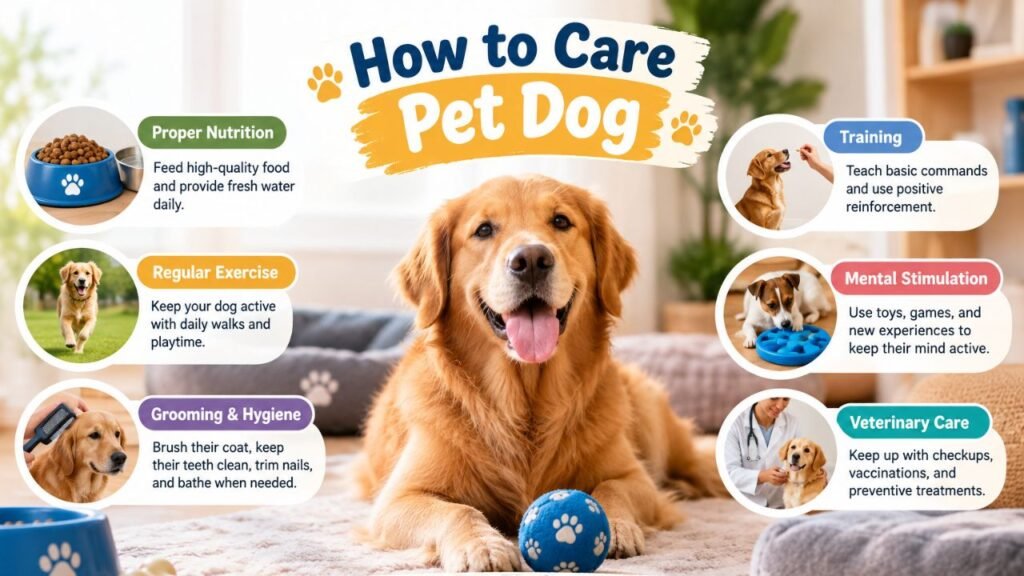
Knowing how to care pet dog means providing consistent care for your dog’s physical and emotional needs. Nutritious food, fresh water, exercise, grooming, training, mental stimulation, a safe environment, and preventive veterinary care all contribute to responsible pet ownership.
Most importantly, pay attention to your dog’s individual needs and maintain a routine that supports their health and comfort. With proper care, attention, and plenty of companionship, you can help your dog enjoy a happy and healthy life.